- Jul 25, 2024
A Parent's Guide to Structured Literacy
- Britney | Language and Literacy Clinic of Manitoba
- 0 comments
The Science of Reading
The Science of Reading is a body of extensive research on how people learn to read, from fields such as education, psychology, linguistics, and neurology. This research highlights the most effective way to teach reading, known as structured literacy, which is evidence-based and helps all students, including those with learning differences.
Challenges in Traditional Reading Instruction
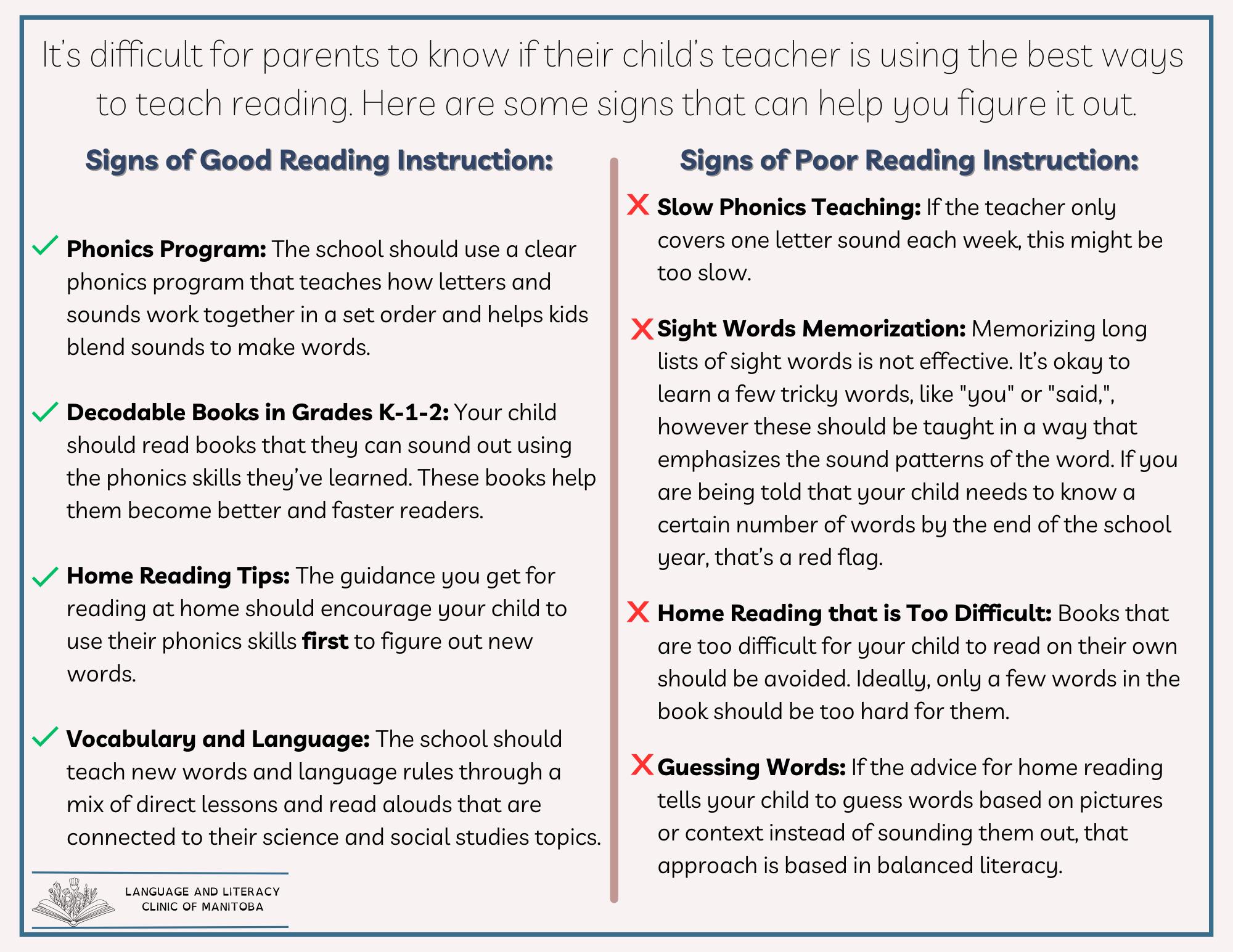
Many schools still use a method called balanced literacy, which often emphasizes exposure to literature over explicit instruction in phonics. This approach can leave students, especially those with reading difficulties, without the foundational skills they need to become proficient readers. In balanced literacy classrooms, students might be encouraged to guess words based on context or pictures rather than decoding them phonetically, which can hinder their ability to read accurately and fluently.
Educators and researchers are increasingly recognizing the importance of structured literacy. The National Reading Panel and other studies have shown that systematic phonics instruction is crucial for reading development. However, many teachers have not been trained in these methods. As awareness grows, more schools are beginning to adopt structured literacy approaches, but parents' support and advocacy remain vital.
Structured literacy is more than a teaching method; it is a commitment to ensuring that every child, regardless of their starting point, can achieve reading success.

What is Structured Literacy?
Structured Literacy is a systematic and explicit approach to teaching reading. Effective reading instruction in the classroom includes five key elements:
Phonological Awareness: Recognizing and manipulating the sounds of spoken language.
Phonics: Understanding the relationship between letters and sounds.
Fluency: Reading with speed, accuracy, and proper expression.
Vocabulary: Knowing the meaning of a wide variety of words and how to use them.
Comprehension: Understanding and interpreting what is heard and read.
Why Structured Literacy?
Structured literacy is beneficial because:
It is systematic: Lessons follow a logical sequence, building from simple to complex skills.
It is explicit: Instruction is clear and direct, leaving no guesswork for the learner.
It is evidence-based: Supported by research, it is effective for all students, especially those with learning difficulties.
Teaching students to read is the work of educators. Your child has the right to a proper education at school. At Language and Literacy Clinic of Manitoba, we offer advocacy support as well as coaching. We work with you to create a personalized journey for your child's language and literacy development. Beginning with a discovery call, we craft a tailored plan: incorporating screening tools and expert recommendations. Follow-up coaching sessions occur via virtual or in-person check-ins. Scheduled re-screenings ensure ongoing adjustments to optimize your child's learning experience. Your family's unique needs guide our approach, fostering a supportive and effective learning environment.
Not ready for a personalized plan?
You can still play a crucial role in supporting your child's literacy development. Here are some tips:
-
Read aloud daily – or encourage your child to listen to audiobooks: Students with reading disorders are exposed to much less complex text than their peers, which can result in lower vocabulary and grammar knowledge. Luckily, hearing a text read aloud gives the same result as reading it yourself! Libby is a free audiobook app that can be downloaded and accessed through libraries across North America.
-
Practice Phonological Awareness: Play games that involve rhyming, segmenting, and blending sounds.
Sing songs, rhymes, and fingerplays: E.g., “Twinkle Twinkle”, “Baby Shark” (It is important to sing these songs and not just show them on a device – it needs to be interactive!)
Count words with fingers: Have your child hold up their closed fists and give them a sentence. Ask them to repeat your sentence and put up a finger for each word they hear.
Count syllables in familiar names: Who has the most? E.g., “Anne” (1) “King-ston” (2) “Jess-i-ca” (3) “Ben-ja-min” (3) etc.
Which words rhyme? Say a set of 3 or 4 words and ask your child which 2 (or 3) rhyme.
Stick them together: Give the first sound and then the rest of the word and have your child be a detective to figure out which word you said. E.g., mmm (pause) at = mat
-
What sound do you hear? Say one-syllable words and have your child tell you what sound they hear at different points of the word: What is the first sound in fish? (fffff) What is the last sound in beach? (ch)
-
Support letter-sound knowledge:
Point to letters on the page as you are reading any book with your child and ask them to point to the letters they know.
Learn the letters in their name: Help your child learn the letters in their name. While reading together, ask them to find other words that have those letters.
Write with fun materials: Encourage your child to practice writing letters using different materials. They can draw letters in sand, use finger paints, or create letter shapes with pipe cleaners or modeling clay.
Alphabet Bingo: Print these cards and put them in a box or bag. Draw a 4x4 grid on a piece of paper and write a letter in each square. As you pull out a card, say the letter or its sound, and your child can cover the matching letter on their grid with a marker or token.
Alphabet Memory Game: Print 2 sets of these letter cards. Mix them up and place them face down. Take turns flipping over two cards at a time to find matching pairs. Make sure to name the letter or sound as you flip them over (the adult can be the “letter namer” until the child is ready to join in).
-
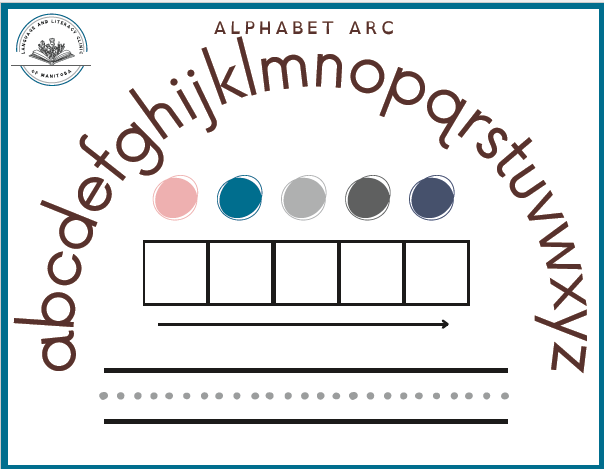
Alphabet magnets: Buy alphabet magnets and practice putting them in alphabetical order. You can use an alphabet arc like this one to
help them understand alphabetic order.
-
Sing the alphabet song: Teach your child the alphabet song. Sing it together but leave out a letter, then ask your child which letter is missing.
-
Encourage Writing: Provide opportunities for your child to write stories, lists, or letters. Invented or phonetic spellings (such as Kat for Cat, Frend for Friend or Butrfli for Butterfly) are completely acceptable until mid-grade 1.
-
Help your child keep a journal, write stories, or compose essays. Provide them with a thesaurus to find synonyms for common words, helping them to expand their vocabulary.
-
-
Build Vocabulary: Introduce new words in context and encourage your child to use them in sentences.
Incorporate word games into your routine: Games like "I Spy" or "20 Questions" can be played anywhere with no required prep.
Play more advanced word games like Scrabble, Boggle, or crossword puzzles. These games promote the use of sophisticated vocabulary. You never know, maybe you’ll learn a new word or two!
-
Incorporate Vocabulary in Conversations: Encourage your child to use new words in everyday conversations. Make it a fun challenge to incorporate a certain number of new words each week.
-
Support Homework: Reinforce skills learned at school by helping with homework and providing additional practice as needed.
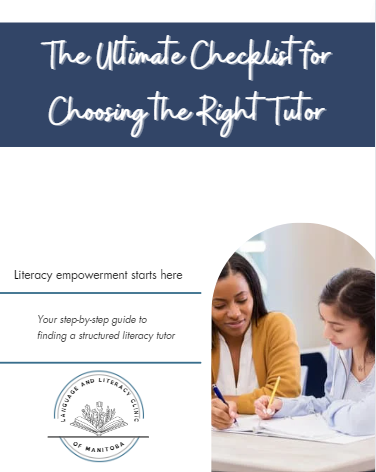

Resources
Want more support? Reach out for a free discovery call and we’ll set up a customized plan for your family.
Follow us on Instagram to hear about all of the latest
research and tips to help YOUR child learn to read.
We can't wait to support you and your family!